
Methods

TWO PATHS, ONE SHARED UNDERSTANDING

Which path suits you?

Psychoanalysis and psychodynamic psychotherapy (tiefenpsychologisch fundierte Psychotherapie) share the same theoretical foundations. They differ mainly in how comprehensively, how often and with what focus we work.

You do not need to know in advance which path is right for you.
We clarify this together in the first sessions.

Behandlungsraum mit Liege für die Psychoanalyse in der Praxis von Rahel Simmenauer

Psychoanalysis

UNDERSTANDING IN DEPTH

The high session frequency of psychoanalysis makes it possible to understand unconscious relationship patterns in particular depth and to change them in the long term. It is especially suited to people who want to develop their personality in a lasting way and understand recurring inner conflicts in all their depth.

Session frequency: Usually 3 to 4 sessions per week

Setting: Usually lying on the couch

Focus: Comprehensive work on personality and long-standing relationship patterns

Duration: Usually longer-term

Suitable for: People who want to understand themselves and their relationship patterns in a lasting way
Learn more →
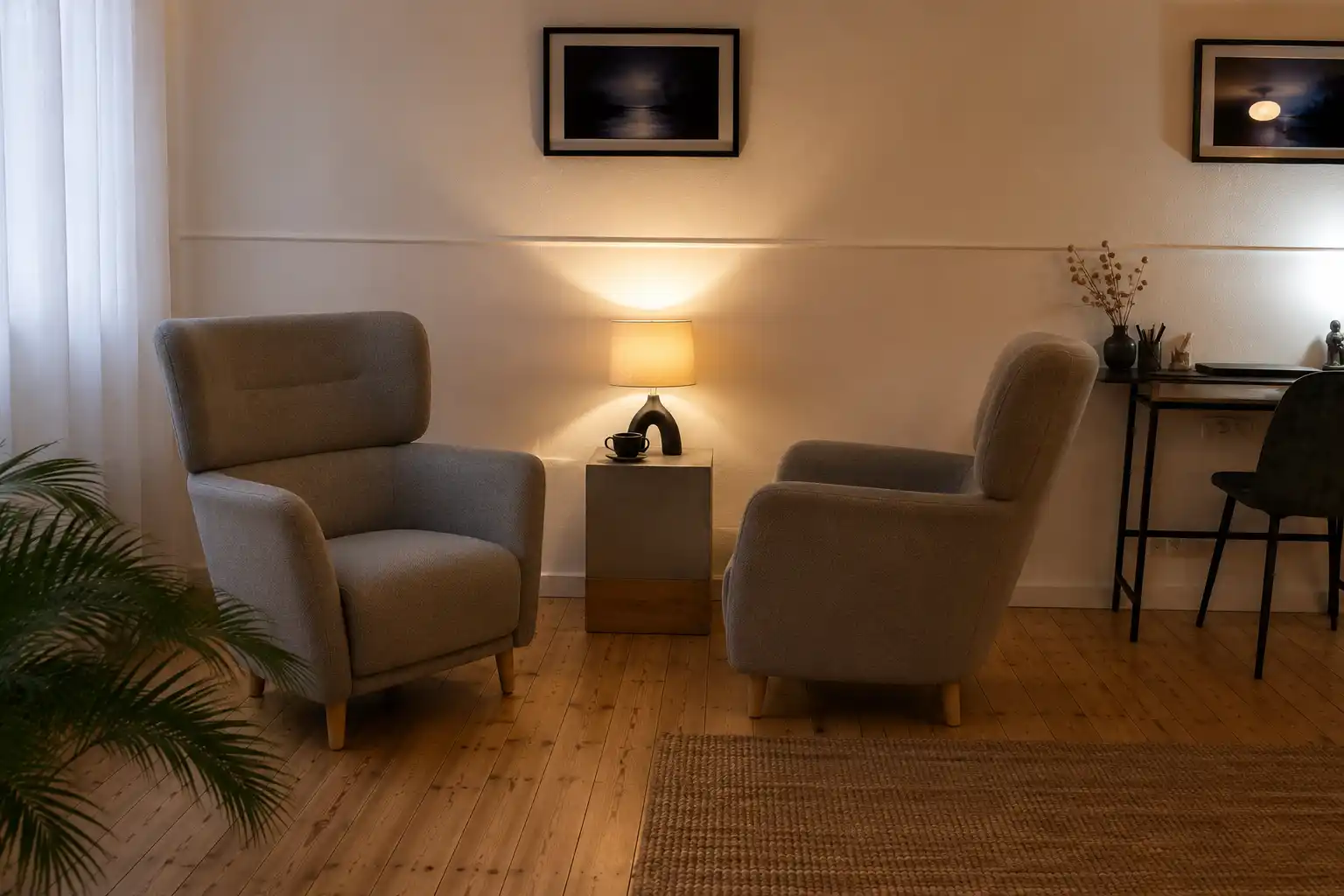
Praxisraum für die tiefenpsychologisch fundierte Psychotherapie in der Praxis von Rahel Simmenauer

Psychodynamic psychotherapy

FOCUSING ON CURRENT CONFLICTS

Psychodynamic psychotherapy centres on a current, clearly defined conflict. This focused framework helps to develop new perspectives on your situation and to bring about noticeable change in everyday life.

Session frequency: Usually 1 to 2 sessions per week

Setting: Sitting up, face to face

Focus: Understanding current conflicts and developing new ways of acting

Duration: Often short- to medium-term

Suitable for: People with a clearly defined concern or a current difficulty

Learn more →

Frequently asked questions about choosing a method

You do not have to choose a method on the basis of technical terms alone. Below I have collected questions that often come up before a first consultation, as initial orientation, not as a substitute for a personal conversation.

No. Choosing the right method is part of the initial assessment sessions. Together we look at which approach suits your current situation and your goals.

Switching is possible in principle and is discussed together in each individual case. In practice, a direction that feels right for both of us often emerges during the initial assessment sessions.

No. Both methods are scientifically recognised and effective. Which approach makes sense depends on your situation, not on which method is more demanding. Some concerns can be worked on well in a focused, shorter framework; others need the more open, longer-term space of psychoanalysis.

Psychoanalysis requires a willingness to engage regularly and in depth with your own thoughts, feelings and relational experiences over a longer period. In acute crises, or when rapid stabilisation is the priority, a different therapeutic approach may make more sense. If the main wish is for short-term relief, psychodynamic psychotherapy or another method may be more suitable, depending on the situation. Which form of therapy fits best cannot be decided on the basis of a diagnosis alone. That is why we clarify it carefully together in the initial assessment sessions.

Among other things, whether a current, clearly defined conflict is in the foreground, or whether patterns are showing that have existed for a long time and affect several areas of life. Your available time and your personal wishes regarding frequency and setting also play a role.

In principle, both psychoanalysis and psychodynamic psychotherapy are scientifically recognised methods and can be covered depending on who pays. As psychoanalysis usually involves a higher session frequency and a longer treatment period, the conditions for coverage differ in detail. You will find the exact conditions for self-payers, private insurance and reimbursement (Kostenerstattung) here:

Yes. Both psychoanalysis and psychodynamic psychotherapy are among the psychotherapy methods recognised in Germany by the Federal Joint Committee (Gemeinsamer Bundesausschuss). Both are based on the same theoretical foundations of psychodynamic psychotherapy, and their effectiveness has been studied scientifically. As described above, the difference lies not in scientific recognition but in the scope and focus of treatment.

Which method suits you can be clarified in a first consultation.

GET IN TOUCH